Study Warns Ruto’s 2027 Re-election Bid Could Increase Election Costs
Kenya’s 2027 General Election could become more expensive if President William Ruto seeks a second term, according to a new study by South Consulting Africa Limited.
The Cost of Elections in Kenya 2026 report shows that election expenses tend to be higher when an incumbent president is seeking re-election. In 2017, the approved election budget was about Sh65 billion, while actual expenditure stood at approximately Sh54 billion. By 2022, the approved budget had fallen to around Sh47 billion, with actual spending dropping to about Sh36 billion.
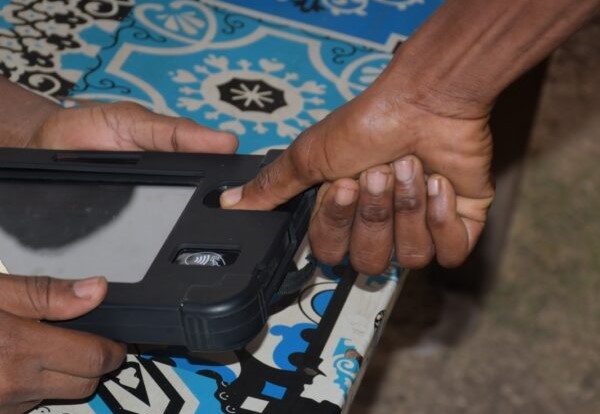
The study attributes the high cost of the 2017 election partly to the purchase of new KIEMS kits, increased security expenditure and the repeat presidential election.
Kenya’s election spending per voter also remains significantly higher than the global benchmark of about $5 (roughly Sh645). In 2022, actual expenditure amounted to about Sh1,649 per registered voter and Sh2,566 per person who voted.
The report says low voter turnout contributes to higher costs because many election expenses, including technology, materials, staffing and logistics, remain largely fixed regardless of how many people actually vote. More than a third of registered voters did not participate in the 2022 election.
The Independent Electoral and Boundaries Commission (IEBC) remains the largest recipient of election-related funding. However, the study criticises the current funding system for being heavily concentrated around election years. It argues that this makes it difficult for the commission to maintain its systems, retain skilled staff and implement reforms continuously.
Security agencies, the Judiciary and the Office of the Registrar of Political Parties also receive substantial resources connected to the electoral process.
For the 2027 election, IEBC initially estimated that it would require about Sh61.7 billion. The figure was later reduced to approximately Sh57.3 billion following adjustments by the Treasury and Parliament.
According to the report, the projected spending suggests that the country could once again experience the high-cost pattern witnessed in 2017, when an incumbent president was seeking another term.
The study also warns that repeated large-scale procurement, particularly of election technology, continues to drive up expenses. Instead of replacing major systems before every election, it recommends maintaining and improving existing infrastructure throughout the five-year electoral cycle.
South Consulting recommends that IEBC, the Judiciary and other oversight institutions receive multi-year funding to support continuous reforms and reduce sharp increases in election spending during election years.
The report further argues that improving transparency and public confidence in the electoral process could reduce the need for expensive safeguards and strengthen trust in elections.